

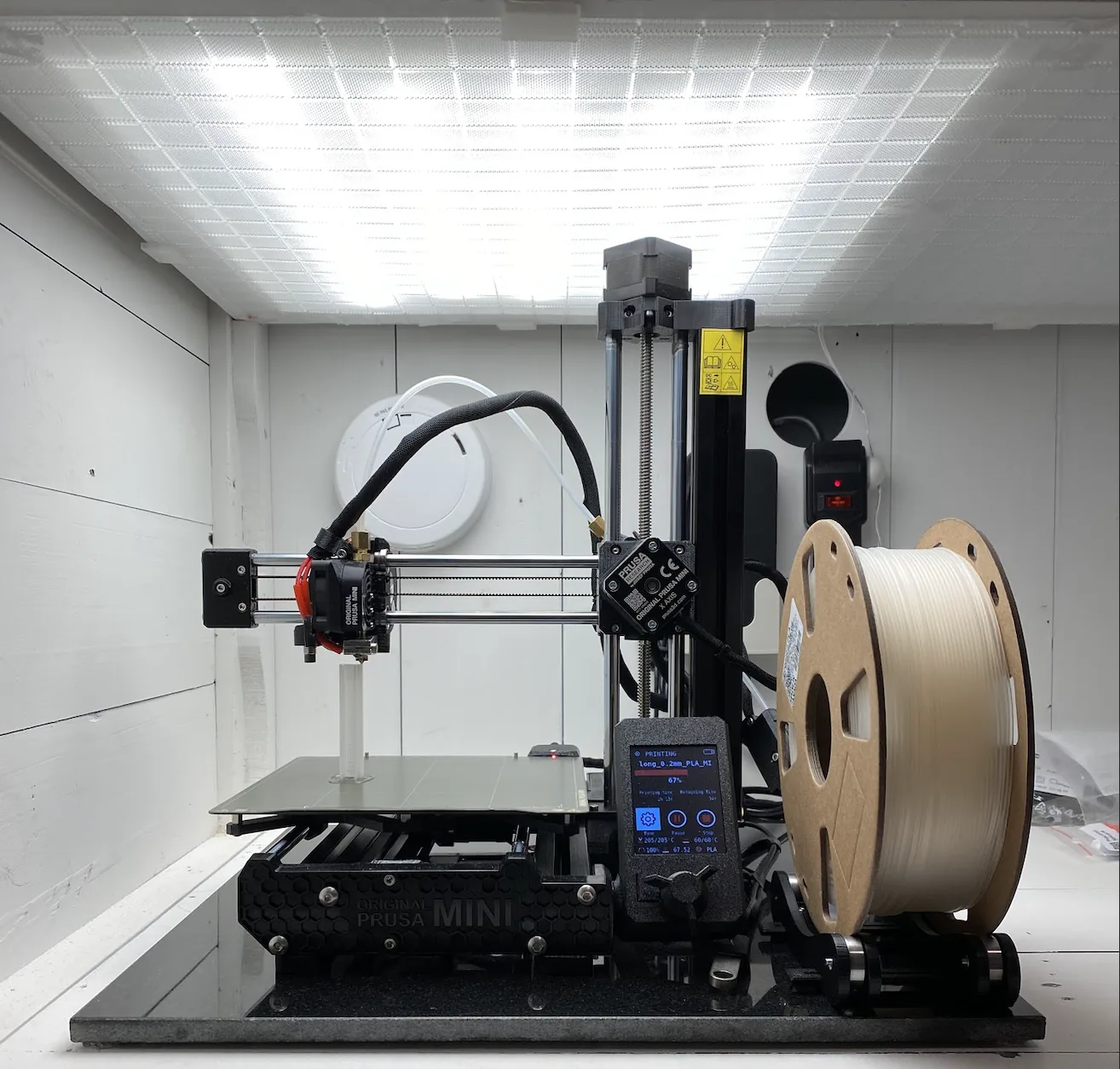
How a 3D printer works: from a digital model to an object in your hand
We draw an object on a screen and, a few hours later, lift it off a build plate. Between those moments lies a series of decisions: how to turn the model into layers, which material to use, and how to stop the finished part from warping or falling apart.



Latest in science
See all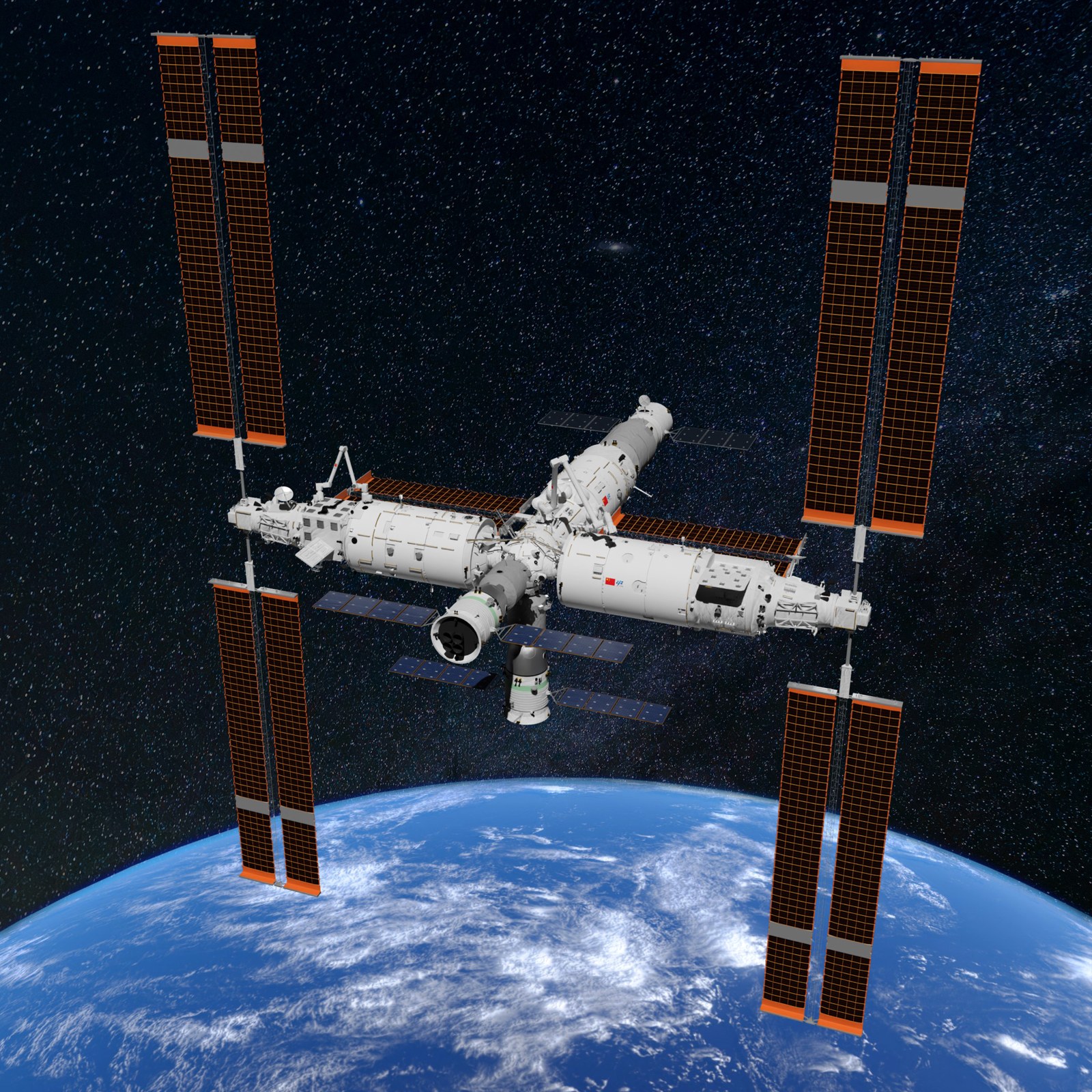 Technology
Almost absolute zero: how scientists set an atomic cooling record in space
A cloud of about 20,000 rubidium atoms aboard China’s space station expanded so slowly that its motion corresponded to a temperature of just 9.7 picokelvins. Behind this almost unimaginable number lies much more than a temperature record: a new opportunity to observe matter under conditions that bring its quantum behaviour to the foreground.
 Technology
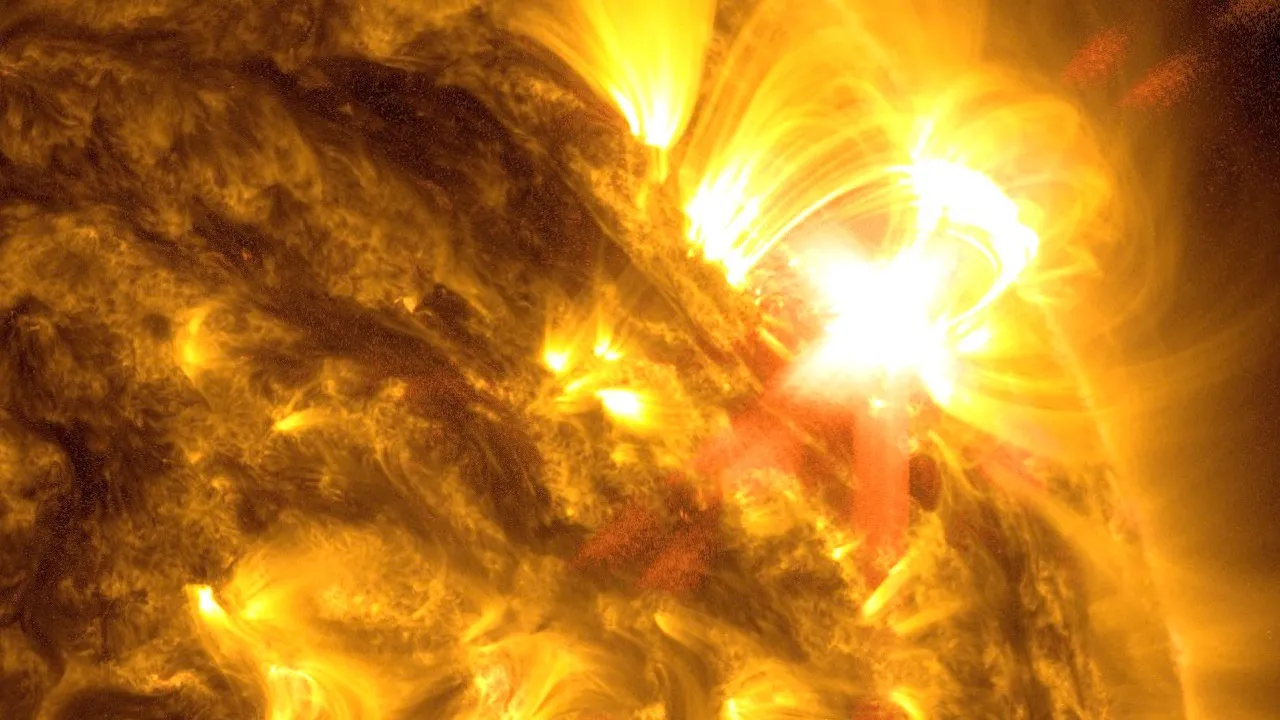
How NASA catches solar flares: five minutes for the FOXSI-5 rocket
A solar flare will not wait for a research rocket. The FOXSI-5 team therefore linked continuous satellite observations to an alert that helps decide when to launch within minutes. In May 2026, the rocket observed three small flares above Alaska. How can a team choose the right moment, what does its instrument see, and why is this different from predicting solar storms?
 Living world
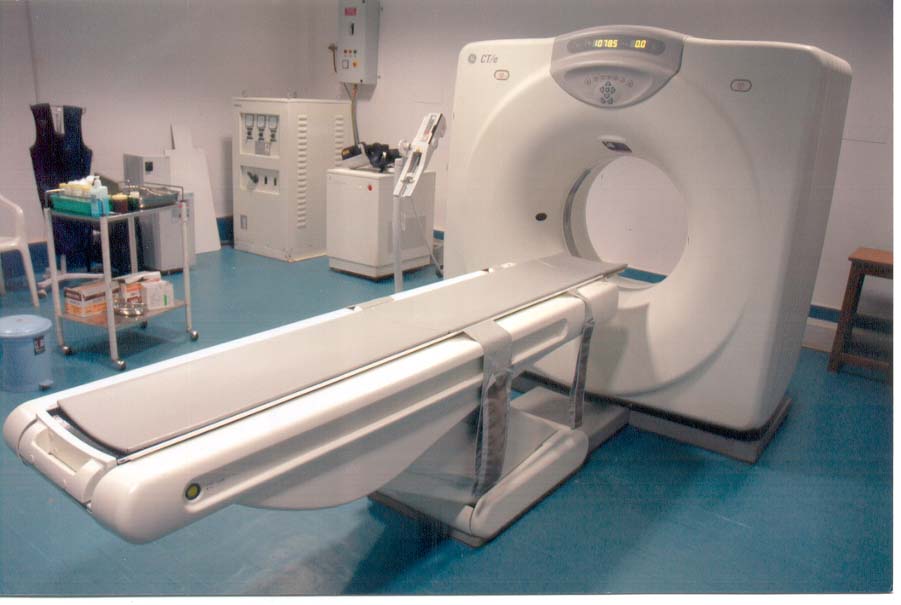
An invisible signal in tissue: How artificial intelligence detects pancreatic cancer years before it becomes visible to the human eye
The pancreas is a small gland located deep in the human abdomen, hidden behind the stomach.



Explore by field
Choose one answer and learn why right away.
Most read this week
Illustrative content until real analytics is added.
This first version uses hand-picked, source-checked demo stories. New science news will receive editorial review before publication.